PCG Biome
A data-driven procedural generation study for building varied natural environments.
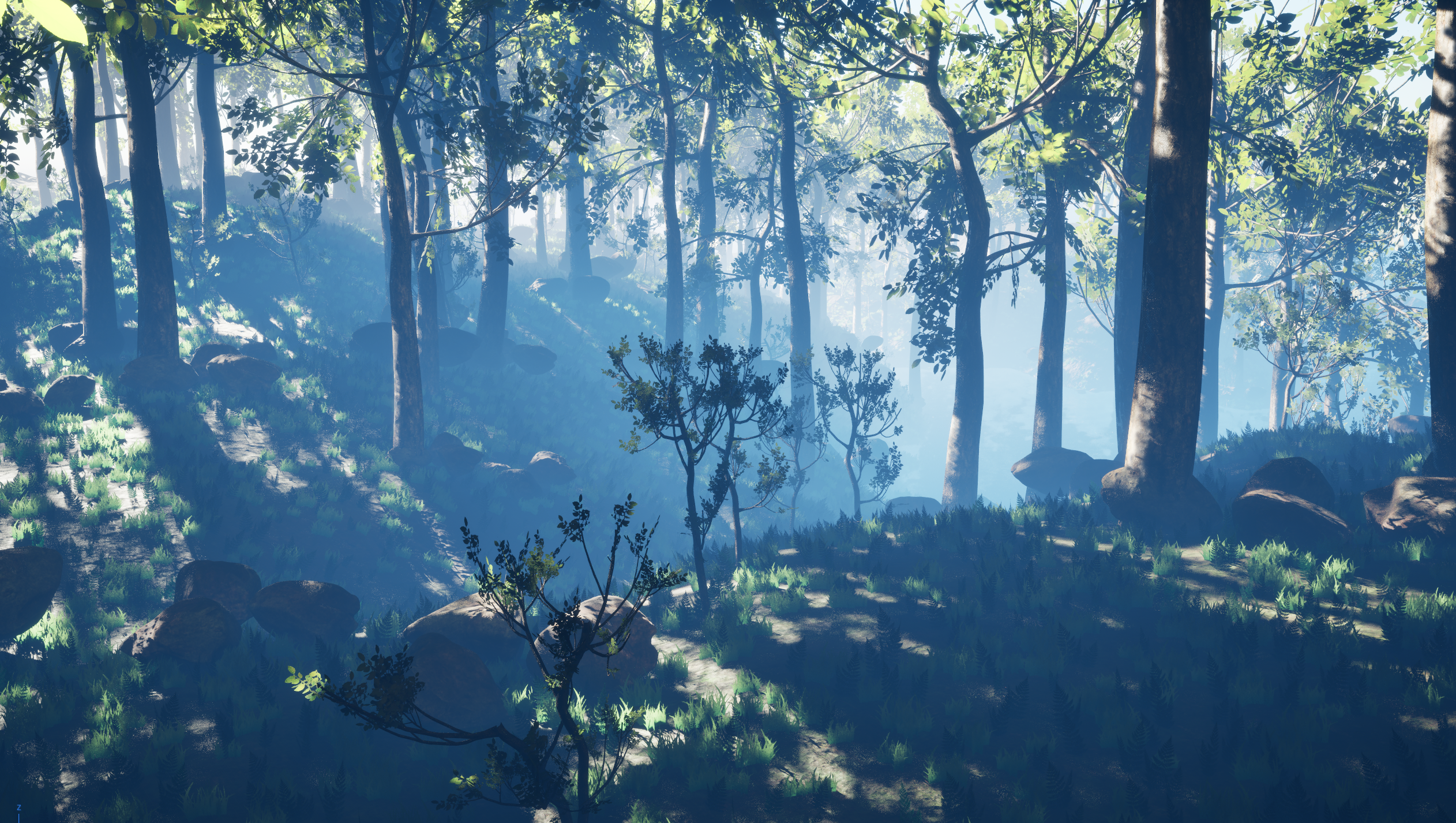
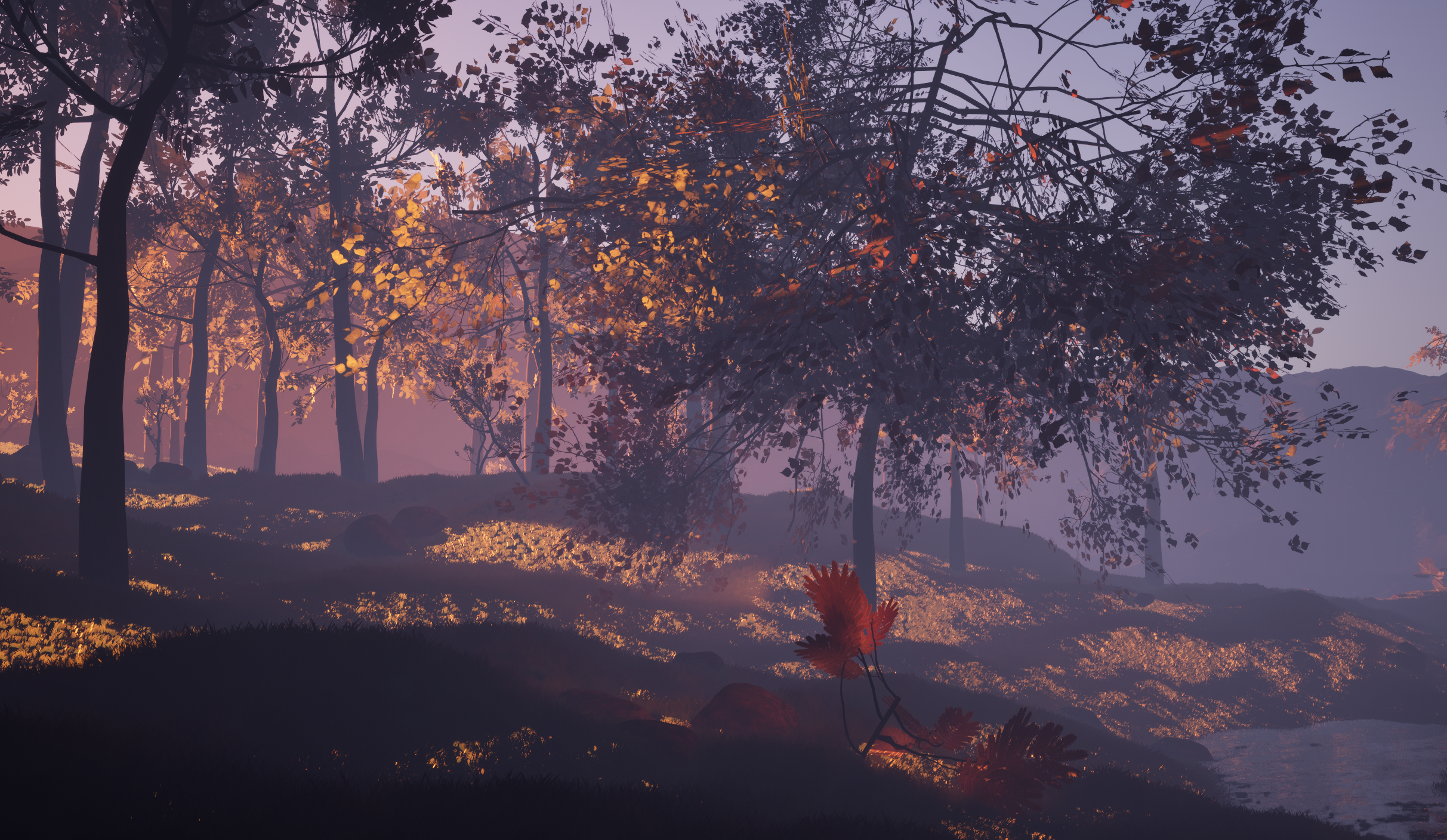
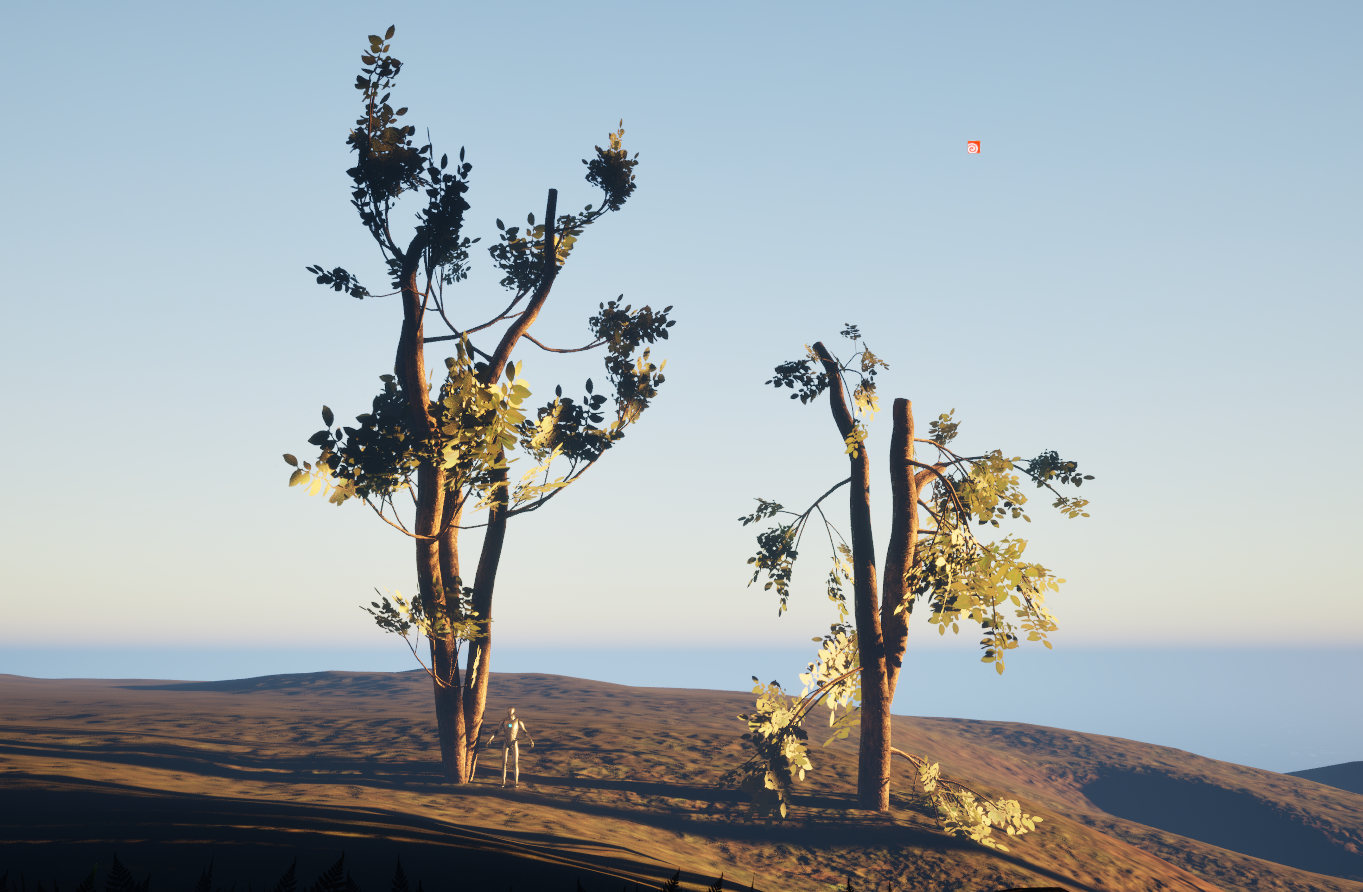
Project Overview
PCG Biome explores a modular workflow for constructing natural environments in Unreal Engine. The system combines spatial rules, terrain data, and reusable content layers so that large areas can be populated consistently while retaining local variation.
Biome Generation Pipeline
Environment Sampling
Terrain attributes such as height, slope, and surface position provide the spatial context used by later generation stages.
Rule-Based Distribution
Biome rules filter candidate points and control the density, scale, orientation, and spacing of generated content.
Layered Population
Large environmental forms are placed first, followed by vegetation and smaller details that enrich the final composition.
Seeded Variation
Deterministic random seeds create repeatable results while still allowing each biome region to develop its own visual character.
Workflow
- Sample the landscape and generate candidate points.
- Classify each point using biome and terrain constraints.
- Apply density, exclusion, and variation rules.
- Spawn biome assets in ordered content layers.
- Iterate on parameters while preserving deterministic output.
Foliage Wind
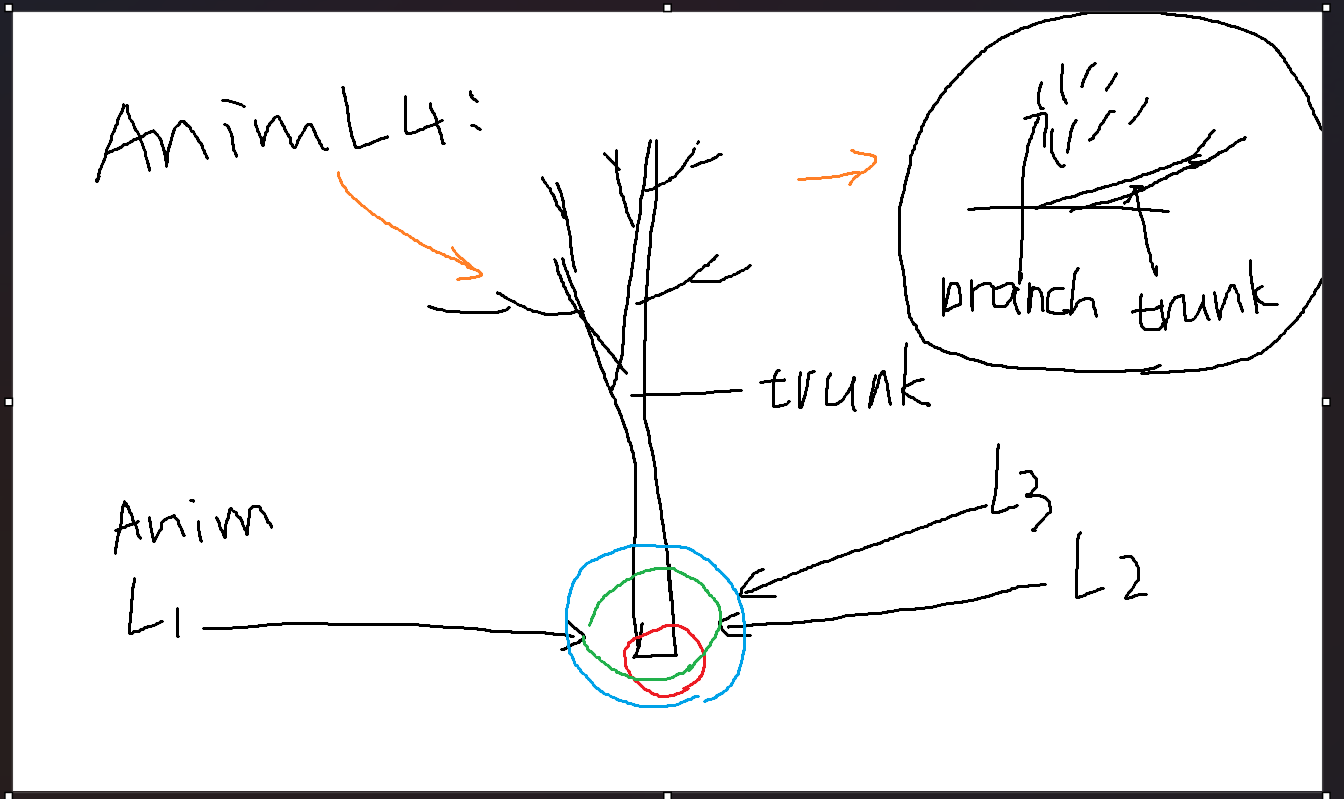
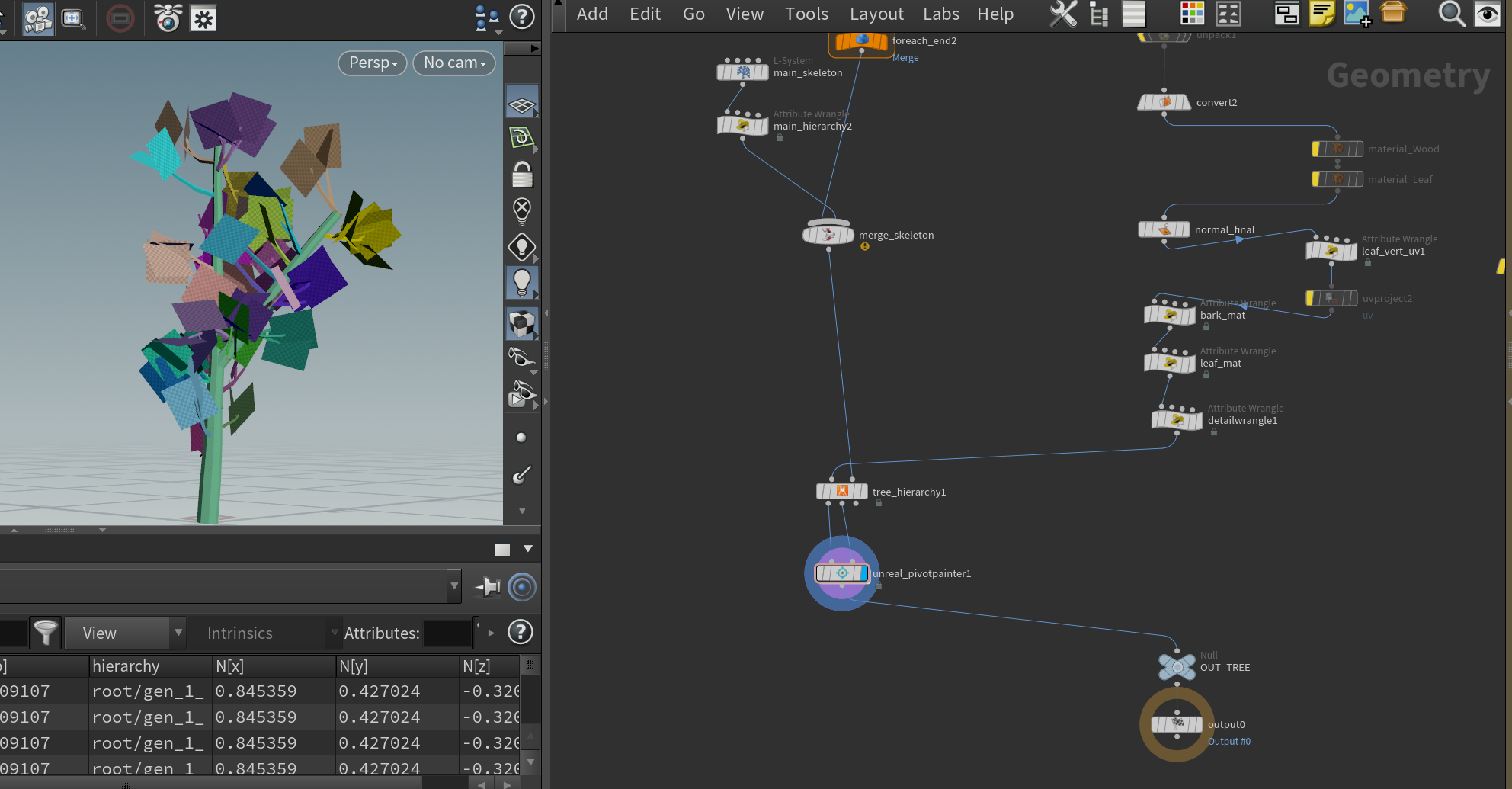
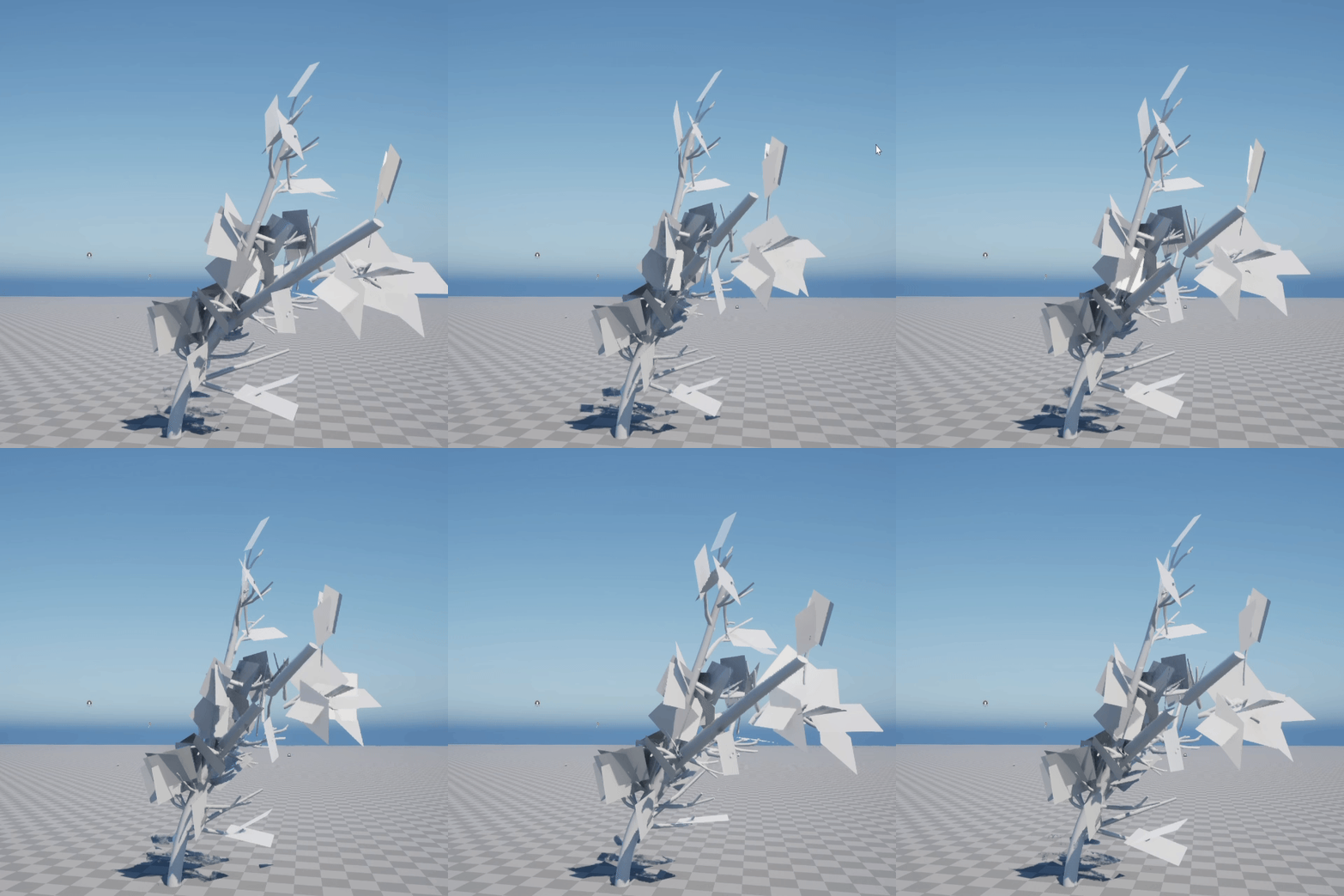
Hierarchical System + UE Pivot Painter 2
This approach combines a hierarchical foliage structure with Unreal Engine’s Pivot Painter 2 workflow, preserving parent-child relationships so branches and leaves respond to wind with layered, natural motion.
Foliage Material
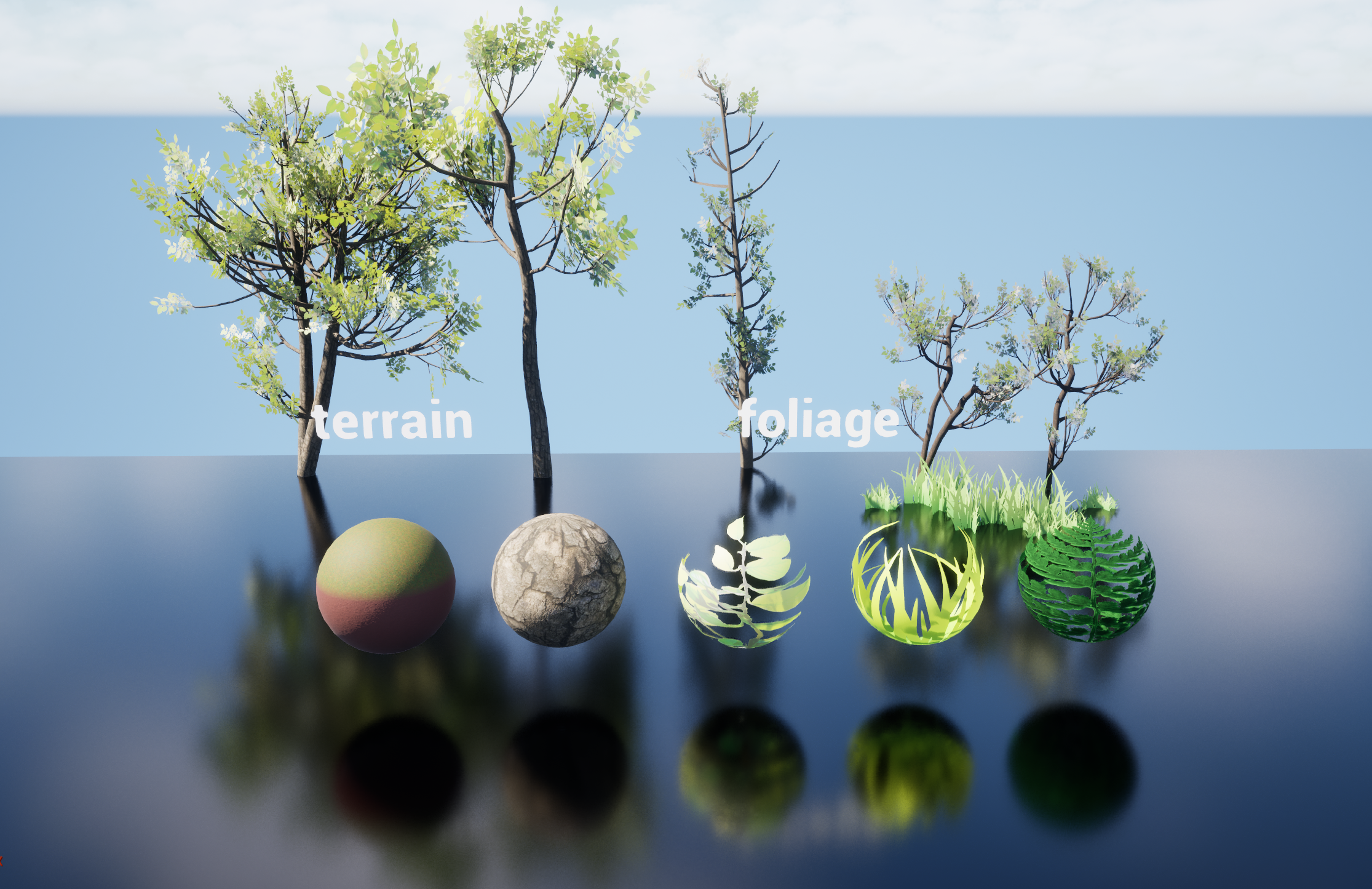
The foliage material brings the wind data into the final shader, combining the generated motion with the surface controls used across the biome assets.
Project Highlights
- Modular Rules: Biome behaviours can be adjusted without rebuilding the complete generation graph.
- Terrain Awareness: Placement responds to the physical characteristics of the landscape.
- Controlled Variation: Seeded randomness balances art direction with procedural diversity.
- Scalable Authoring: Layered generation supports environments ranging from broad silhouettes to small details.